Welcome To Behaviour Bridge
Behaviour Support That Goes Beyond the Plan
We help NDIS participants reduce behaviours of concern and build positive, meaningful lives — through evidence-based Positive Behaviour Support plans that are actually implemented.
As the only PBS clinic in Perth using the signature B.R.I.D.G.E Behaviour System, we partner with support coordinators, families, and support workers across Perth’s Northern Corridor to make sure every plan gets put into practice.

Real experiences, real impact
What Families and Supporters Say
About Us
Behaviour Support that Fits Real Life
Our approach is built on the B.R.I.D.G.E Behaviour System — our signature 6-step framework that turns complex behavioural science into clear, actionable steps for everyday life. Every strategy we develop is designed to be understood and confidently applied by the people who matter most: support workers, families, and the individuals we support.
This is what sets us apart from other PBS providers in Perth. We don’t just write plans — we bridge the gap between assessment and real-world implementation.

How We Support You
Positive Behaviour Support
Our approach is built on the B.R.I.D.G.E Behaviour System — our signature 6-step framework that turns complex behavioural science into clear, actionable steps for everyday life. Every strategy we develop is designed to be understood and confidently applied by the people who matter most: support workers, families, and the individuals we support.
This is what sets us apart from other PBS providers in Perth. We don’t just write plans — we bridge the gap between assessment and real-world implementation.
- We identify what behaviour is communicating and reduce distress at the source.
- We build practical strategies for daily routines, community access, relationships, and independence.
- We coach families, support workers, and teams so everyone feels clear and confident.
- We create safe environments and proactive supports that prevent escalation.
- We work to reduce restrictive practices wherever possible, while keeping safety front and centre.
- Everything we do is aimed at increasing quality of life for the person.
Everything we do protects dignity, respects autonomy, and promotes long term skill building.

Our Unique Approach
The B.R.I.D.G.E Behaviour System
A 6-step framework that gives support workers and families a clear, consistent way to implement Positive Behaviour Support in real life — so strategies are not just written in a plan, but actually used.
B
Build The Relationship
Trust and connection come first. Support that works begins with understanding the person — their world, their strengths, and what matters most to them.
R
Read The Environment
Behaviour does not happen in isolation. We examine routines, sensory factors, communication needs, and environmental triggers to understand the full picture.
I
Identify The Function
Every behaviour serves a purpose. We identify what the person is communicating or seeking so that strategies address the real need — not just the surface behaviour.
D
Design The Strategy
We create practical, evidence-based strategies that fit real life — easy to follow, respectful of dignity, and focused on building skills and independence.
G
Guide The Team
A plan only works when everyone uses it. We coach support workers, families, and teams to implement strategies with confidence and consistency.
E
Evaluate The Outcomes
We review progress regularly, measure what is working, and adjust strategies to ensure quality of life continues to improve over time.
Not Sure If PBS Is Right For You?
Take our 2-minute eligibility quiz and find out instantly.
Is Positive Behaviour Support the Right Fit?
Answer 6 quick questions to find out if the person you have in mind is eligible for PBS — and what the right next step is.
This person is a strong candidate for Positive Behaviour Support
Based on your answers, the person you have in mind is likely eligible for PBS under their NDIS plan. They have an active NDIS plan, behaviours of concern, a support team in place, and relevant funding — all the key indicators for a successful PBS engagement.
What to do next: Submit a referral and we'll review it on the same business day.
↩ Start againPBS is likely appropriate — let's talk it through first
There are some factors that suggest PBS could be a good fit, but there are also some things worth discussing before submitting a formal referral — funding availability, diagnosis clarity, or whether PBS is the right pathway right now.
What to do next: Book a free 30-minute case chat. No obligation — just a conversation to figure out the right pathway together.
↩ Start againPBS may not be the right fit right now — but we can still help
The person you have in mind may not currently meet the eligibility criteria for NDIS-funded PBS. This could be because they are not yet an NDIS participant, their plan doesn't include the right funding, or their needs are better addressed through a different pathway.
What to do next: Get in touch and we'll point you in the right direction.
↩ Start againExperience That Makes a Meaningful Difference
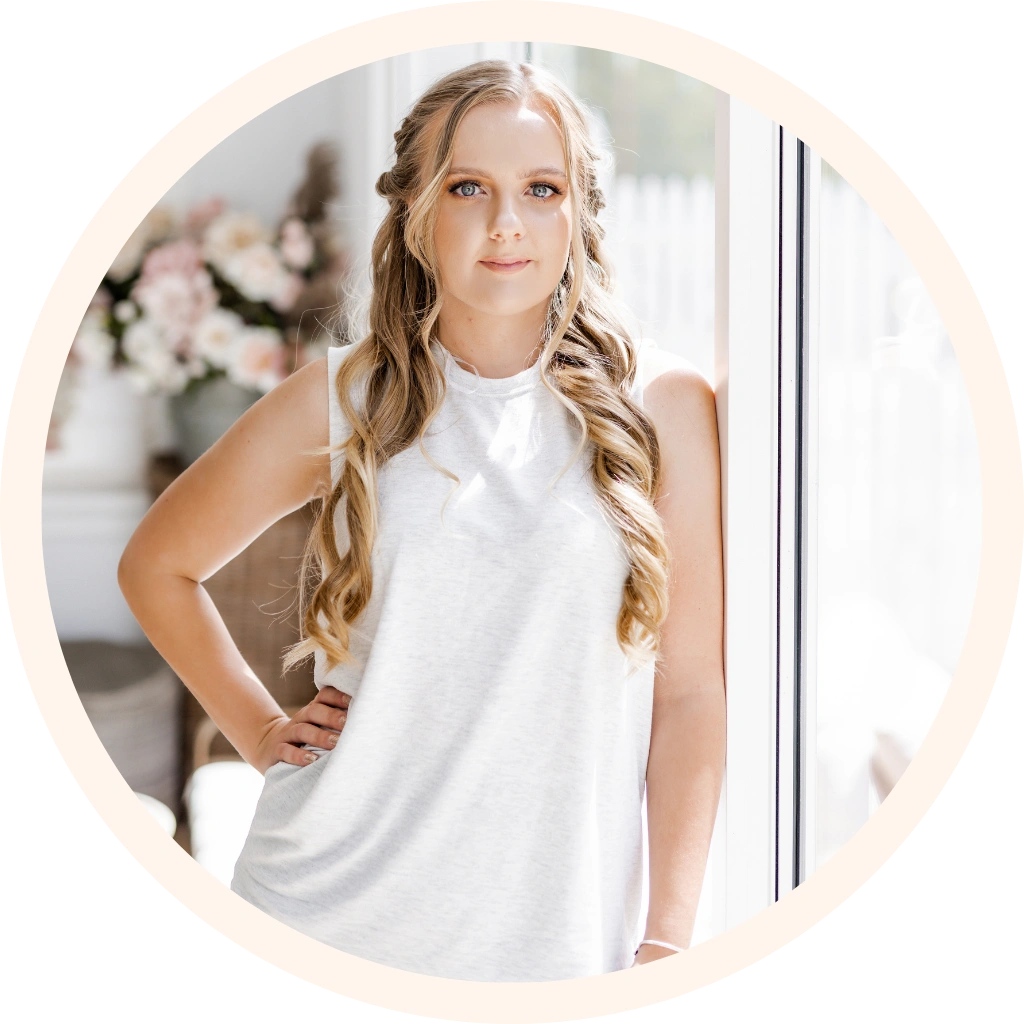
Meet Julianne, Founder of Behaviour Bridge
After years working in Positive Behaviour Support, I kept seeing the same problem: beautifully written behaviour support plans that sat in a folder, never actually used. Support workers didn’t know how to implement them. Families felt overwhelmed. And the person at the centre of it all wasn’t getting the change they deserved.
That’s why I created the B.R.I.D.G.E Behaviour System — a 6-step framework that bridges the gap between a written plan and real-world implementation. BRIDGE gives support workers, families, and teams a clear, consistent language and process for delivering behaviour support in daily life. It’s not just theory. It’s practical, compassionate, and designed for the people who are actually in the room.
Behaviour Bridge exists because I believe every person deserves support that actually works — not just support that looks good on paper.
– Julianne Shepley, Founder of Behaviour Bridge
NDIS Referrals
Refer Someone You Care For To Us
We make NDIS referrals simple and clear. You can submit a referral at any time for a child, young person or adult who may benefit from Positive Behaviour Support.
We follow up quickly so families feel informed from the very beginning. Our aim is to support quality of life through organised, respectful and timely PBS.
Our goal is safer, calmer and more connected daily life for the person and the people around them.
How It Works
A Simple Path to Quality Support Of Life
1. Submit a referral
Every step in our process is guided by the B.R.I.D.G.E Behaviour System — our unique 6-step framework that ensures support is consistent, evidence-based, and built around the real needs of the person and their family.
2. Initial consult
We meet with the person and key supports to understand daily life and current challenges.
3. Assessment
We gather information, observe routines, and speak with supports to understand patterns and needs.
4. Behaviour Support Plan
We create a clear plan and guide the support team to use strategies with confidence.
5. Ongoing support
We stay connected, review progress, and adjust strategies to keep improving quality of life.
Ready to Talk Through a Complex Case?
Ready to Talk Through a Complex Case?
We are currently accepting new referrals across Perth Metro and the Northern Corridor. If you have a participant with escalating behaviours and a team that needs practical guidance, reach out today.
Note: Behaviour Bridge is a mobile clinic. Sessions take place in the home, community, school, workplace, or other environments that suit the person’s needs.
NDIS Registered Provider | Reg: 4-LHDF83A | Your information is secure and confidential.